Featured

Veronica D. Dickes’ Obituary

Six months ago, I lost my mother and best friend. My mom was my rock, in every sense of the word. I am only just now able to see through the tears long enough to share her obituary publicly. I apologize for my delay.

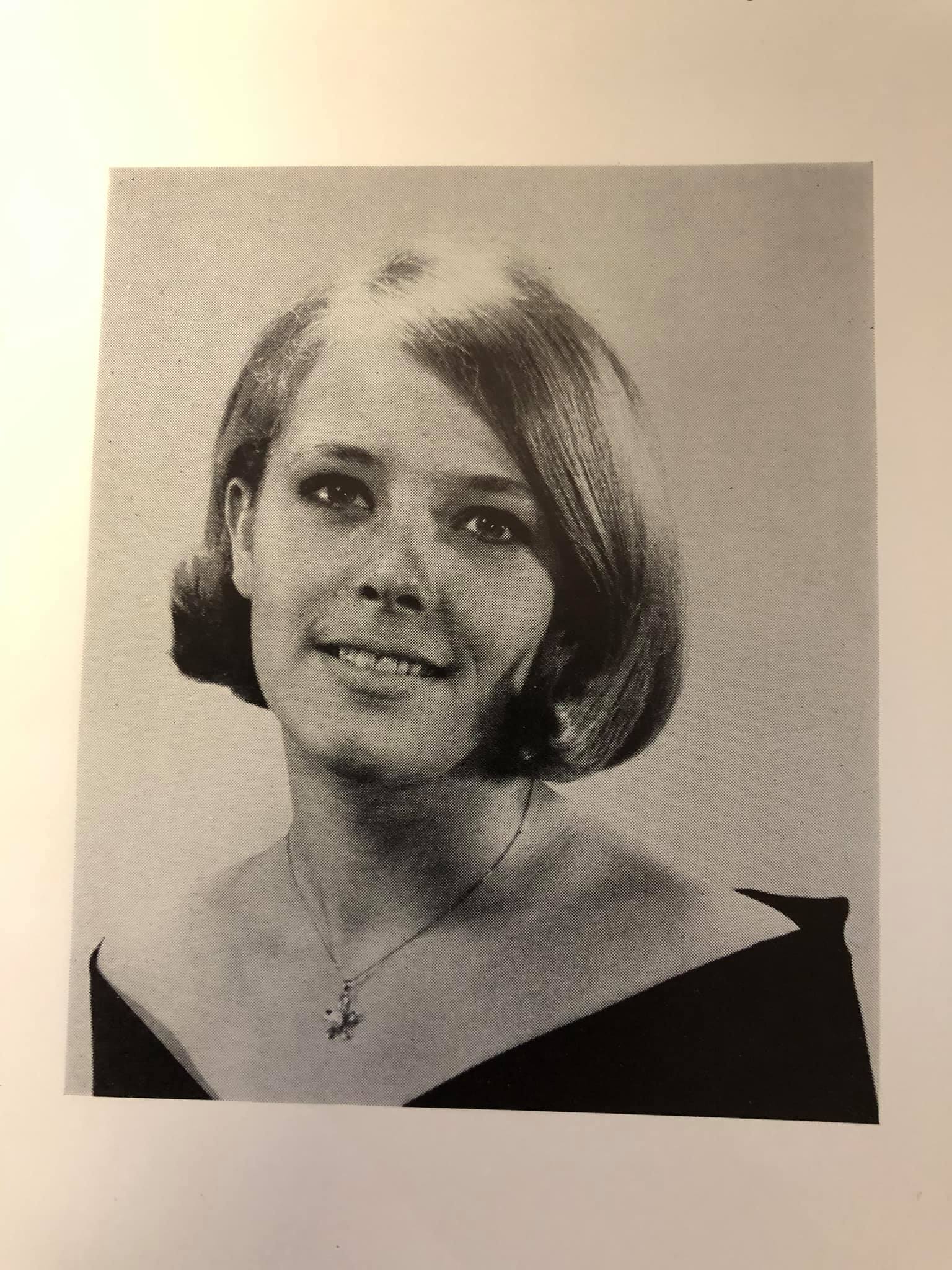
Veronica (Ronnie) Dorothea Dickes was a spitfire, independent, and discerning woman who was lost to this world on August 26th 2022. After a year of being ravaged by lung cancer, she passed away at home in the loving embrace of her beloved dog, Daisy, and her daughter, Tiphanie.

Ronnie on a walk in Athens Georgia’s botanical gardens, shortly after getting her cancer diagnosis in 2021

Ronnie was perhaps the most interesting woman in the world. She lived a rich, worldly, and storied life. She spoke Japanese, French, and English fluently, and worked as a translator throughout her life. She was born to Sylvia Ellen (maiden name Walker) and Kenneth Claire Miller on August 8th, 1949. After being prisoners of war in World War II, the couple had just moved to Japan so Kenneth could work for Chase Manhattan Bank. They had their first son Douglas Claire Miller, in Shanghai, China, and they wanted to be sure Ronnie would have citizenship in a Western country. A very pregnant Sylvia travelled to Canada to live with her parents, who retired in Victoria B.C., and gave birth to her second child, her only daughter, and a Canadian citizen. Three months later, Sylvia and her new baby daughter flew back to Kobe, Japan, where Ronnie was reunited with her brother and father and she would live the first 18 years of her life.
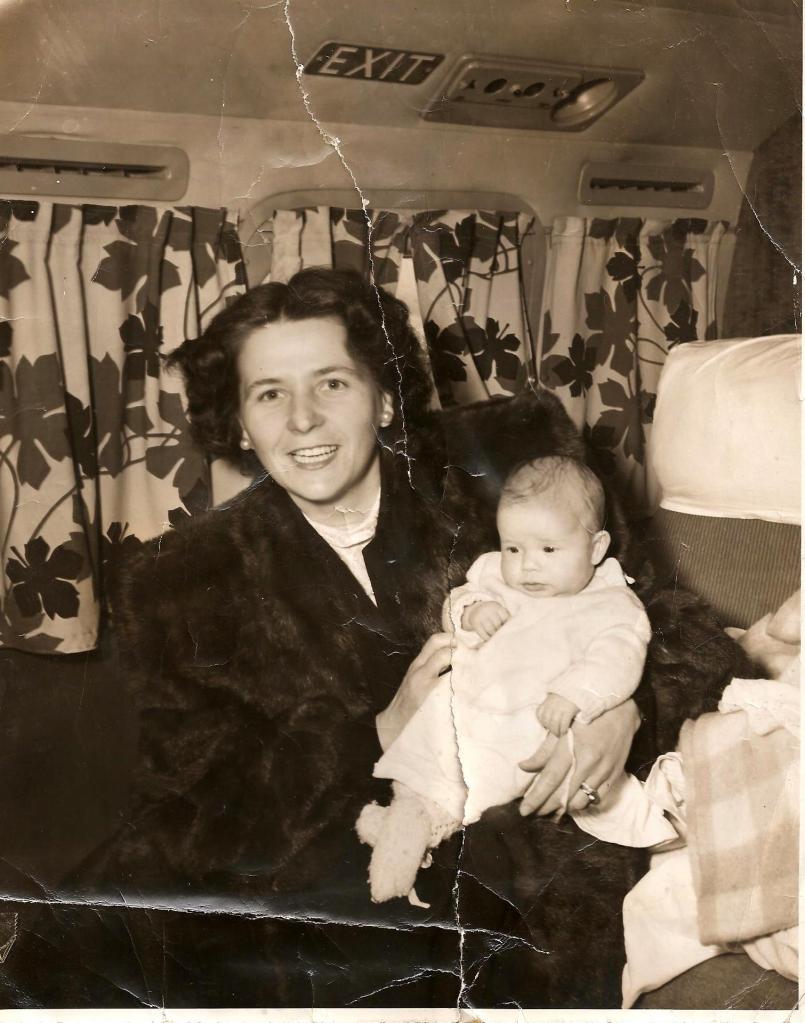
Ronnie, a few months old, traveling by plane from Canada to Japan with her mother, Sylvia in 1949

Kenneth was a banking executive for Chase, and their lifestyle included a personal chef, two maids, and a driver. Ronnie and her older brother, Douglas, were primarily raised by their staff as their parents had a second job as business entertainers and were out several nights a week. Douglas never mastered Japanese like Ronnie did, and she was a fluent Japanese speaker throughout her life. She was obviously beautiful at an early age and she was objectified and abused as a child, the consequences of which would cast a shadow on the rest of her life. As she grew into a stunning blonde-haired and blue-eyed woman, she took on modeling and television gigs on the side. When she spoke fluent Japanese she often reveled in the shock on the faces of everyone in the room. Even as the cancer robbed her of her cognitive acumen near the end, she kept speaking Japanese.
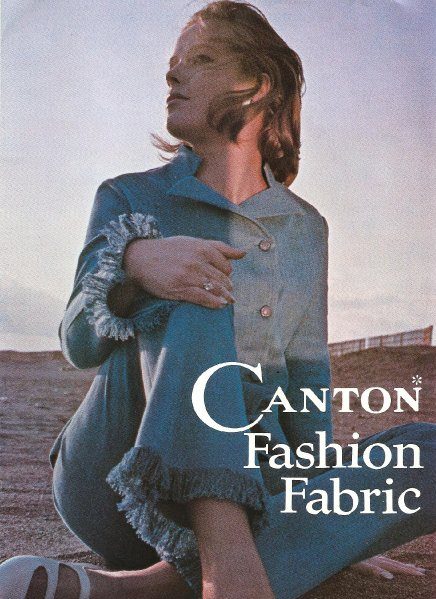
Ronnie modeling for Canton Fabrics in Japan circa 1965.

She never settled down and her restless spirit was never satisfied for long. She went to Southern California and Hawaii for college. She proudly became the first college graduate in her family and earned a Bachelors degree in Anthropology, and an affinity for primate studies and Jane Goodall.
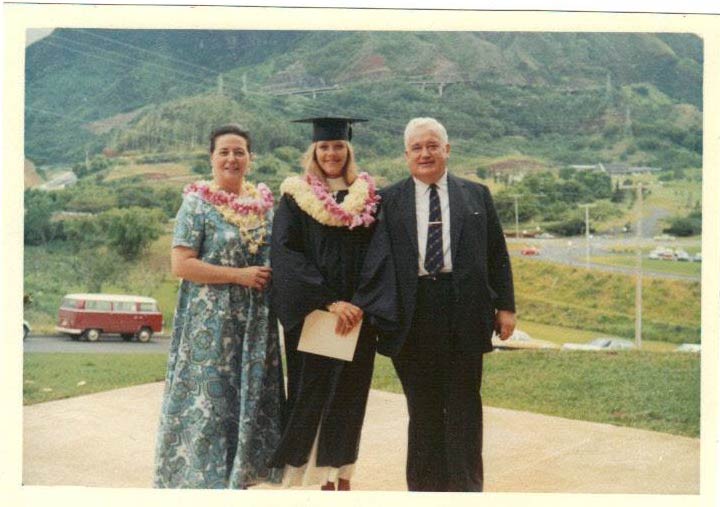
Ronnie graduating from University of Hawaii at Loa in 1972, standing proudly as the first college graduate in her family with her mother Sylvia (left) and her father Kenneth (right)

She lived a glamorous and worldly life bouncing between New York and London while she worked as a flight attendant for PanAm airlines. The actor Sean Connery hit on her while she was walking the streets of New York City. Ronnie spent seven years in Bahrain working for Hilton hotels in marketing and concierge services.
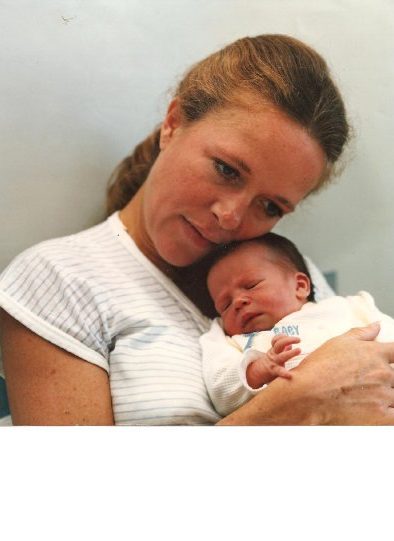
Ronnie and her daughter, Tiphanie Ellen, just after her birth in Avignon, France in 1987

Ronnie moved to France after falling in love with the country on a vacation. At 38, she gave birth to the daughter she prayed for, a blonde haired, green-eyed girl she named Tiphanie Ellen. Ronnie and Tiphanie took on the world together and they were very close. A few years later, they left France to live with Ronnie’s parents in Issaquah/Sammamish, Washington. Ronnie worked odd jobs until she became an administrative assistant and focused on raising her daughter for five years before moving them to Peoria, Illinois. Eventually, this is where she met and married the love of her life, Lyle Dickes in 2004. After Tiphanie graduated high school, Ronnie and Lyle retired to the Hood Canal in Washington state. They lived happily in bliss for ten years until Lyle passed away after battling cancer in 2015.

Ronnie and Lyle Dickes enjoying a family trip to Cannon Beach, Oregon in 2009. She remembered Lyle as the love of her life.

Ronnie was devastated by Lyles death and the grieving process took its toll on her and her health. Nonetheless, embracing her fierce independence, a few years later, Ronnie and her dog, Daisy, would make her last cross-country move to Athens, Georgia. She lived across the street from her high-school-friend, Sally Turner, and the two lived as neighbors and best friends who got through the Covid-19 pandemic together.
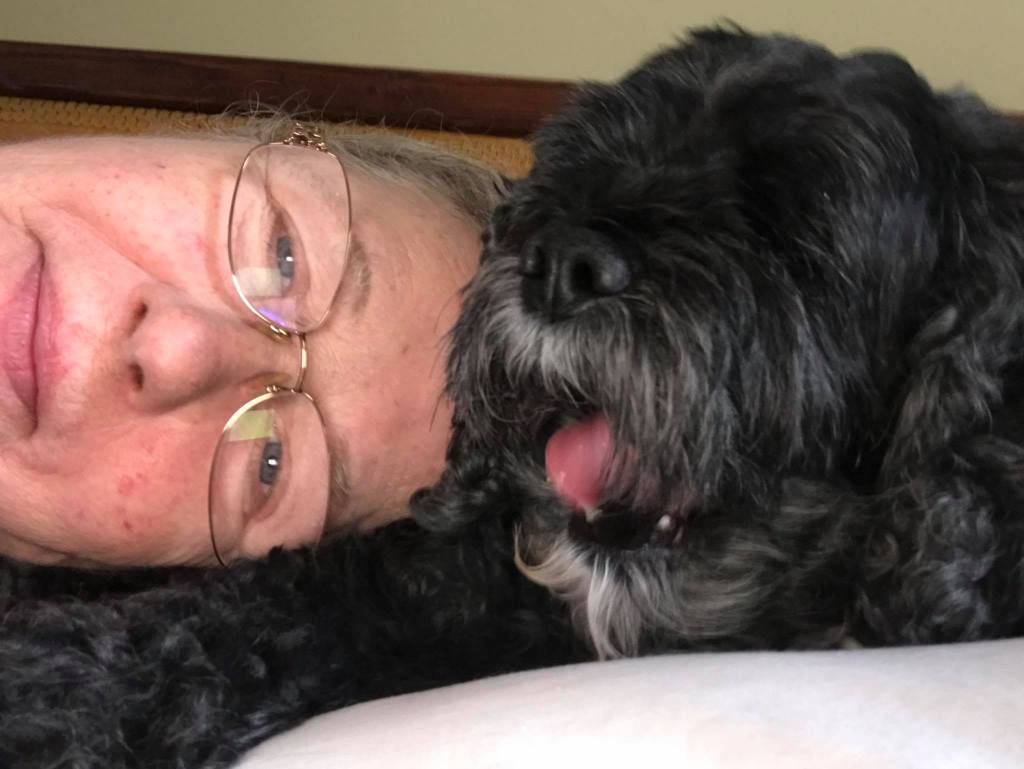
Ronnie and her beloved dog, Daisy, half poodle and half cocker spaniel. After Lyle passed away, the two were inseparable until the very end.

Ronnie loved loud music, good red wine, whiskey on the rocks, Marlboro Red 100’s cigarettes (she DID quit when she was diagnosed with cancer), a good sense of humor, and a really hot bath. She was an incredible artist and creative; she crafted everything and mastered all the mediums from sculpture to quilting to knitting to jewelry-making. She was a talented chef who loved French and Japanese cooking and could best any restaurant any day. She was a staunch liberal, who found herself becoming more progressive than ever at the end of her life. She taught her daughter everything she knew, including the hard lessons she had learned from her incredibly interesting life. She made sure her daughter knew how unconditionally loved she was every single day. She emphasized her belief in the power of getting an education and she attended every one of Tiphanie’s graduation ceremonies (all three of them, all across the country), beaming with pride. She and her dog, Daisy, were inseparable. She had a lot of life left to live.

Daisy and Tiphanie live together now and are grieving and living everyday in Ronnie’s honor. Tiphanie plans to spread Ronnie’s ashes in the places that mattered to her the most, memorializing her life as a citizen of the world. Ronnie will forever be dearly missed.
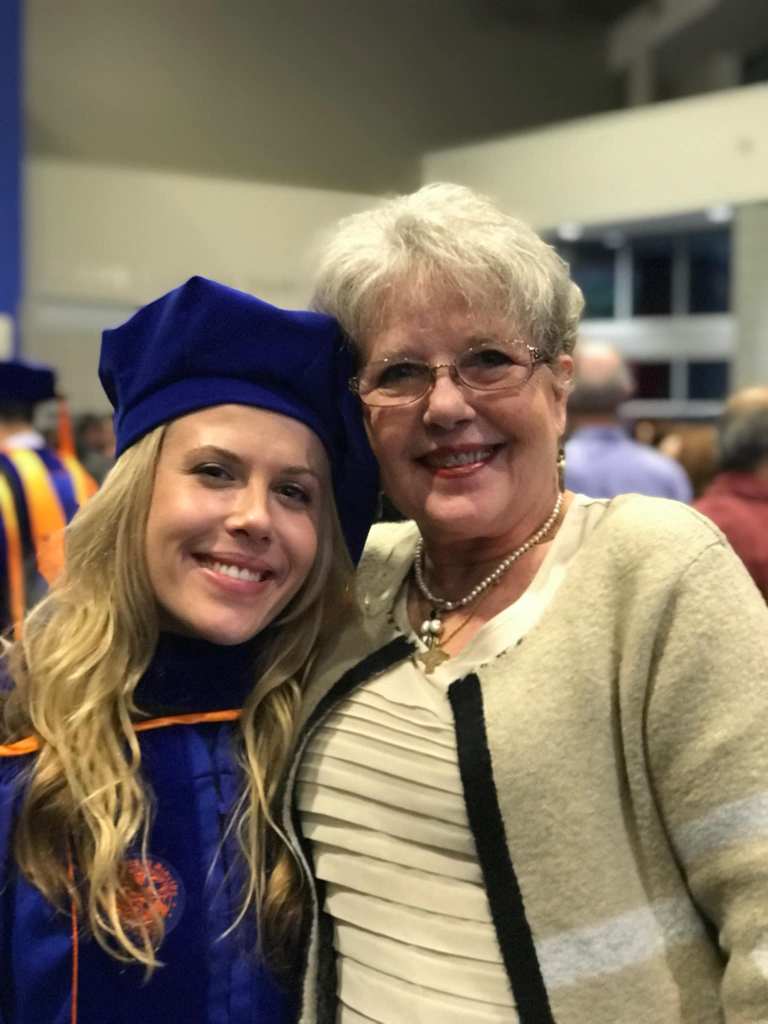
Ronnie with her daughter, Tiphanie, at their final graduation ceremony in Gainesville, Florida after Tiphanie earned her PhD in biobehavioral sciences at the University of Florida in 2018.

Twenty second: If you don’t take your work home with you, you work for someone that does

Millennials have this new thing called ‘options’. In fact, there are too many options. I mentor a lot, and I’ve always thought it was unfair and really silly to expect an 18 year old to know what they want to do the rest of their lives. Even at my age, so many of my friends are struggling to choose a path. We all have this notion that life should be worth living. We watched our parents and grandparents grind everyday in a job they didn’t like for 50 years until they retired and they never got a chance to really enjoy and live their lives. Millennials don’t want that.

BUT, we all have to make these decisions. When we do, and when I advise people and consider my own path, I tend to come back to this phrase, “if you don’t take your work home with you, you work for someone that does”. Neither option is better than the other. Its just a fact, and a decision we all have to make for ourselves. Now, I know, technically everyone works for someone. But if you want to leave your work at work, you need to find a job that lets you do that. That likely includes letting someone else bear the burdens of upper management to allow you to let go of the daily grind when you clock out. If you don’t want to work for someone else, or at least have some semblance of independence, you’re taking your work home with you. What I mean by that is, your work will bleed into your personal life. This is true for every job I can think of, and if there’s an exception I’d like to hear it.

Some days I hate bringing my work home with me. Academia is all-consuming, and it is not possible to walk out of the lab at 5pm and let go of the deadlines and projects you deal with all day. Other days, I can’t imagine being micro-managed. Even my PhD advisor allows/expects me to be pretty independent. I’m allowed to come up with my own ideas and curiosities, mentor my own students, and manage my own projects. In fact, that’s expected- bare minimum. Why? Because I gotta get used to the ‘cloud’ of research that I am committing to living in for the rest of my life. If I were a CEO, an entrepreneur, an independent stylist or personal trainer- I would also bring my work home with me. I would argue teachers that develop their own curriculum also have to bring their work home with them. Some days I work 5 hours, some days I work 15. Some weeks I get 4 days to myself, and some weeks I get none. Some days I hate it and I hate my life, other days I couldn’t be more grateful.

I went to school with people (that are much smarter than me) who made decisions that allow them to leave work behind them when they close the door. They research in a hospital and they let someone else worry about the projects and funding, or they do military research and work on big grants that other people wrote. Others are healthcare practitioners who work long hours, and while they carry a massive emotional burden, they aren’t suturing or diagnosing strangers after they leave the hospital. They’re happy. Healthy, and happy.

Truthfully, I’m not sure which one I will ultimately prefer.

We spend more time working than we do living. So, when we choose a path, we all must reconcile with the life we want and what makes each of us happy. That path can, and likely will change as we grow up, but only because we get a firmer idea of the life we want to make for ourselves.


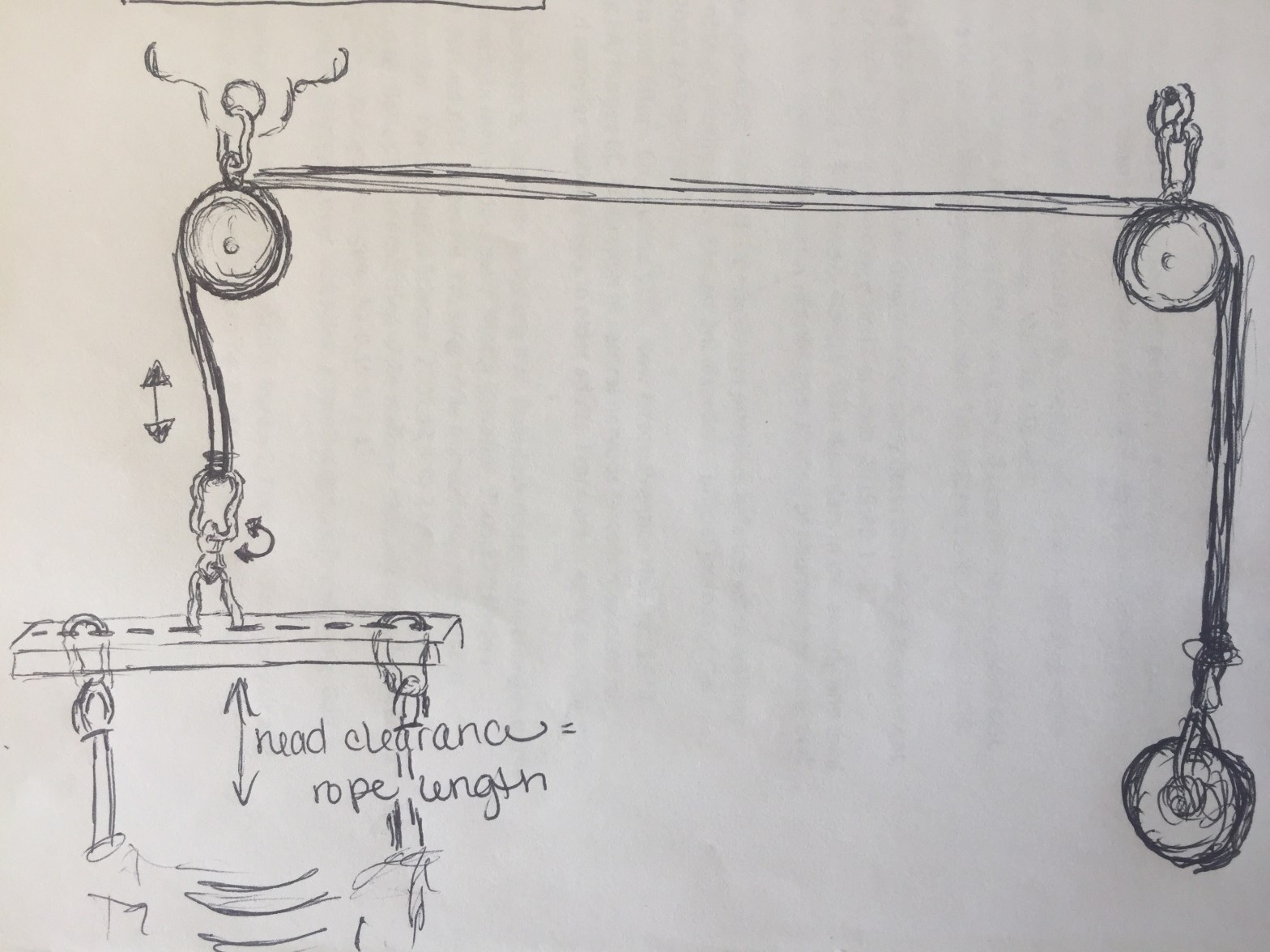
*photo of a science sketch for my dissertation, because science really is an art

Twenty-first: Only assholes don’t recycle

If you don’t recycle you’re an asshole.

If you don’t know what the Pacific Garbage Patch is, go here.

If you don’t know how plastic oceans affect your food, go here.

If you haven’t seen the Story of Stuff, go here.

If you waste drinkable water on your lawn and don’t understand the impending global water crisis (mostly the fault of mass agriculture), go here.

If you waste paper, use Styrofoam, and abuse paper cups in the name of convenience, you’re an asshole. I’m looking at you, basic bitches. Those Starbucks cups aren’t recyclable, bring a damn reusable mug with you. Stop being so damn lazy and selfish and think of someone else and the only home you’ve got, asshole.

If you are a parent and you don’t recycle, you’re basically saying “hey flesh of my flesh, I really couldn’t care less if you and your family have clean air, safe drinking water, and plastic-free fish.” Asshole.

If you try to recycle and you don’t know how, you’re an asshole too. Recycling facilities have minimal resources. If you don’t properly sort your recycling or clean out your plastic yogurt containers, they go in the garbage. Learn how to here or here. No one has time (or money) for that, asshole.

If you have access to compost and you don’t use it, you’re an asshole too. Landfills poison our soil and when you throw away an unopened bag of lettuce, that shit does not disintegrate. Stop that shit and find a way to let food decay and go back to the soil you eat from, asshole.

So, stop being an asshole and recycle. Stop being so lazy using so much fucking disposable stuff. Think of everyone else that will come after you. Go outside and appreciate the beauty of the earth around us and take a deep breathe of fresh air. Its never too late to stop being an asshole.

Just suck it up and recycle, asshole.

Twentieth: La tete de la Turke

Everyone hates someone. La Tete de la Turke is a French expression used to describe a person/group that is stubbornly oppositional, a common trend in most cultures. I learned this gem from my dad and step-mom, Evelyne. From sports team rivalries (Go Hawks) to East vs. West to Catholics vs. Protestants and Sunni vs. Shia; everybody seems to hate someone. I’ve personally experienced it almost everywhere! In France, northern French hate southern French, in Washington, Western Washington hates Eastern Washington, Boilermakers hate IU (what are they called again?) and East Peoria always seems at odds with Peoria. I’m not sure why its the case, but it’s human nature. Its a simple realization, but I find it a common theme in my day to day life. I do know there’s no better way to bond with another person than with a mutual hate for another individual. The ‘us versus them’ mentality gives people an ‘us’ and a sense of belonging. That sense of belonging is often all people want in life, another part of human nature. But I also know (now) that the tendency to go with the crowd is often a foolish pursuit. When I find myself following the crowd and allowing a common consensus to drive my own opinions, I try to reflect on ‘la Tete de la Turke’. I remember that my primal instincts are nothing more than just that- animal responses to tribal stimuli, and I’m not the only one. Self-Awareness is the first step.

Just something to think about..

Nineteenth: Millennials are actually awesome

Contrary to popular opinion, millennials (and ‘generation z’) are going to kill it when they run the world. But I hear people complain about our youth far too frequently. 

I have had the privilege of mentoring and getting to know college-aged youth as a graduate researcher and tedx organizer and mentor. Not only are millennials wise, they are passionate, tech-savy, and want to make a difference in the world. They are lucky to have ‘adolescence’ and a new period of self-actualization, but this isn’t bad- this is great! When millennials co-habitate, they learn to be considerate, financially savvy, and get along with others. When millennials wait to get married, they ensure they bring their own identities to their relationships. When they choose not to marry at all, they show they aren’t afraid to redefine relationships. Millennials have been exposed to the diversity and vastness of the world, and unlike generations before- they embrace it. Their curiosity and passions lead them to jump careers, and become jacks-of-all-trades, giving up the monotonous career-life their parents and grandparents suffered. They are constantly finding a way to uniquely solve a problem. Today’s youth find themselves competing to get into the best grade schools, high schools, and colleges in highly competitive college preparatory programs. These kids work really hard, endure a ton of extra pressure, and take more standardized tests than any generation before. I promise you, they are not lacking intellect. They are smarter, more resourceful, and more driven than the generations before them. The baby-boomers paved the way for revolution and millennials will take it all the way. I cannot wait for the next generation of youth to take leadership positions in society, and we will all watch as we all benefit from their unique perspectives and experiences.


Sure, some like selfies too much and rely on screen-time a lot, but don’t throw stones from glass houses. The youth in the 90’s were all grungy drug addicts or baggy-panted thugs that needed parental advisories on their music. 80’s teenagers worshiped sex, drugs, and rock and roll…I could go on and on. The moral of the story is, we have been complaining about our youth throughout history, but that was us not so long ago. Remember that believing in someone does more good than writing them off, and people will rise to the occasion. Find reasons not to write millennials off, they deserve it.


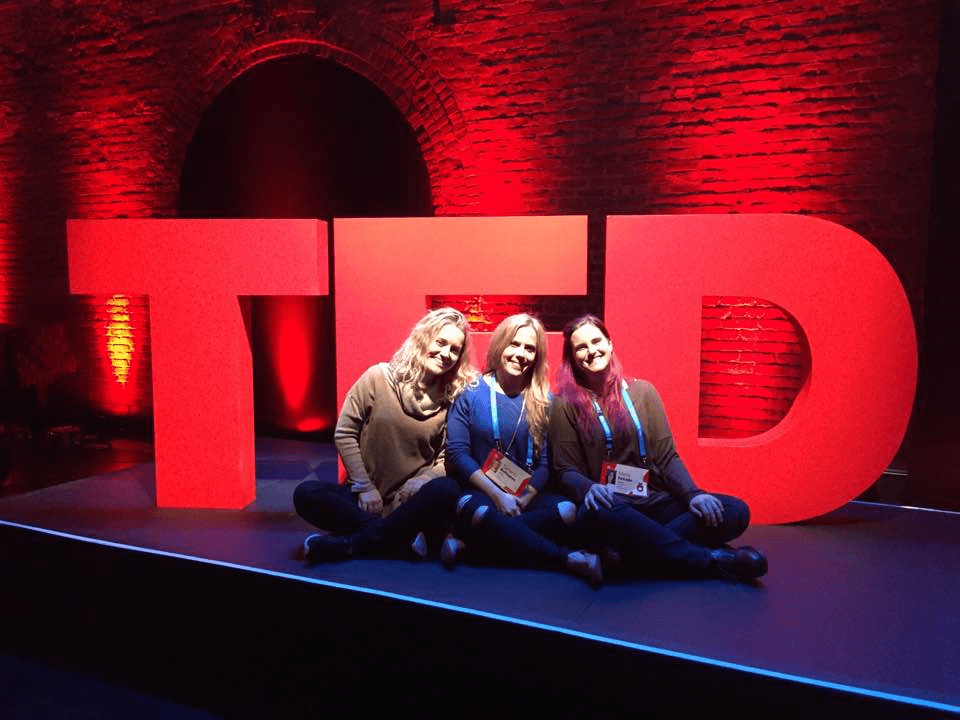
Image of myself with two former TEDxUF student organizer mentees; Claudia Bell and Maria Estrada at TEDFest in Brooklyn, NYC. May, 2017.


Eighteenth: Resilience, Part II: Test your own limits first

Part one focused on resilience, a character trait is often tested by life’s challenges. Part 2 has helped me develop my own resilience, test your own limits first.

There is no better way to overcome life’s challenges than to be able to reflect on instances that one has risen above in the past. For instance, when I am upset about my apartment needing a fix; it could be worse- I could be living out of my car again. When I’m scared about moving somewhere new, I cling to each time I’ve managed it before. Starting a PhD has been the most terrifying move I’ve ever made, but I remember the fire that was ignited when I was forced to drop out of school as an undergraduate and how grateful I was just go back to class. Every bad day and overwhelming challenge is a little easier to face if you can remember a time you have overcome before.  Resilience is a trait that can be developed, trained, and strengthened over time. As with everything else, practice makes perfect.

Sometimes testing your limits is within your control. (i.e. Taking a new job. Buying a new house. Starting a family. Moving.) Sometimes its not (i.e. illness, death, losing a job). I’ve learned that testing your own limits first is an exercise in stepping out of your comfort zone, adapting to change, feeling struggle and working your own way out of it. If you are brave enough to test your own limits first, you’ll be better off when your limits are tested in situations beyond your control.

If you’re lucky enough to never run into a tragedy beyond your control (very lucky..) there’s another way to develop resilience; being there for other people suffering. Listening to struggle and strife and learning from other people that overcame life’s challenges is critical to developing your own resilience when life comes at you. Although I have many examples of people that have inspired me to be more resilient, one in particular sticks in my mind and also happens to have a TEDxUF talk to go with it.

When I met Jennifer Aponte it was very clear she had already overcome many challenges just by looking at her. Although I’m unsure of what Jennifer’s official diagnosis is, she jokes that she ‘was expected to be a vegetable, but this piece of broccoli is doing just fine’. When Jennifer tells her story, she recalls time after time that she had to overcome serious challenges beyond her control. Cancer. Immigrating. Fighting for an education. Adopting a child. After working as a lawyer in Puerto Rican government, Jennifer left everything she knew to be a parent, something she could only attain in the state of Florida. Eventually, Jennifer was able to adopt a child with special needs. Her TEDxUF talk is her attempt at sharing her own lessons learned being an ‘overcomer’, and her daughter is lucky to have this type of support and learn such lessons from a person that has developed such resilience.

Jennifer is incredibly outgoing, positive, confident, and uplifting. She brightens her day through her love for makeup and now she works as a makeup artist. She works hard as a mother and is there for her daughter through each medical emergency, testing and passing on her own resilience to her child. One time, I told Jennifer how much she inspires me. I told her that even though I’d had a hard day, her ability to push through and be incredibly positive reminded me to be resilient. Her response was amazing. “I’m not inspiring, I just keep living.” Without a shred of being a victim or bitterness, she reminded me that resilience means pushing through and it can get you through literally anything life throws at you. Getting to know Jennifer has given me lessons in resilience I may not have ever learned otherwise and I’m fortunate to have her as one of many examples to draw from when I feel overwhelmed and weak.

Other people I draw inspiration from when life hits you with things outside of your control include Kassie Williams, who overcame breast cancer at the age of 29 with newborn twins. Kala Pierce, who overcame losing her mother while we were in high school. My mom, Ronnie Dickes, who took care of her sick daughter, mother, and husband while battling her own breast cancer. My grandma, Sylvia Miller, who went into prison camp on her 21st birthday and survived two years of rape and starvation to get married (in prison camp) and start a family. Taylor Buchanan, who somehow is managing to get a PhD as a new single mom. Courtney Bennett, who lost her young, beautiful daughter to a senseless murder. Elizabet Ronaldsdottir for raising 5 children as a single parent while conquering Hollywood as a pioneer in the film industry. Each of these women have overcome and thrived, despite all odds, and my single sentence does NOT do their journeys justice. Just know that their strength and resilience is awe-inspiring and unforgettable. I hope each of us have the opportunity to learn from such examples of resilience.

Take home: Testing your own limits builds resilience. Take note of how others have overcome such challenges. Strengthen your own resilience and conquer. 


image credit: shutterstock.com

Seventeenth: “healthy baking” is not a real thing.

I’ve tried over and over and over again. I’m not the only one. I’ve seen professionals make ‘gluten free baked goods’ and many a ‘vegan bakery’ try their hand at it too. ‘Healthy baking’ is a lie. Imposters. When I make ‘protein muffins’ and ‘broccoli protein pancakes’- they suck. They don’t taste like the butter croissants I am weak in the knees for. Butter, flour, and sugar are the only ingredients that count toward baking. We need another word for those of us that struggle with quinoa, coconut, and almond flour; cuz as much as I wish it were not the case, it just doesn’t count as baking.

I heard a joke about it recently on The Good Place, in this case it was about frozen yogurt; its very ‘human’ to take something that’s supposed to be bad for you (ice cream) and try to make it a little healthier (yogurt) so you don’t feel so bad eating it! Sometimes, you just gotta eat the real thing.


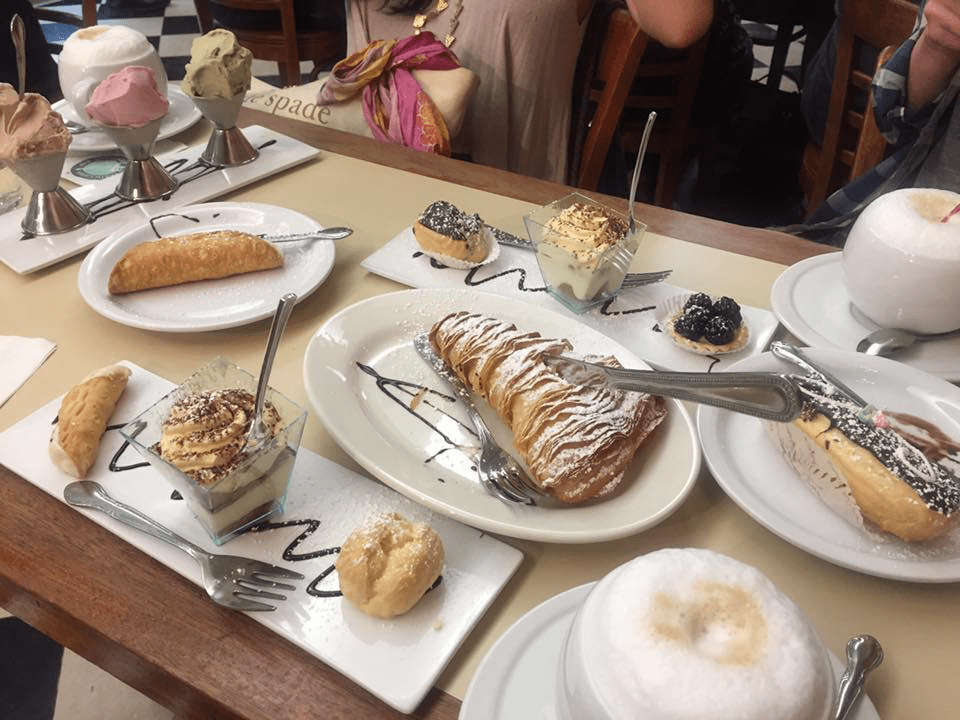
*This photo was taken in Little Italy when I ate my way through NYC in May 2017. Yum.

Sixteenth: Platonic opposite-sex friendships are often the best kind

Sure, when two (single) people meet and ‘hit it off’, the whole ‘are we going to hook up’ thing happens almost every time. If you can get past that without ruining your relationship with sex, platonic opposite-sex friendships are the best. If you manage to get past the awkward phase,  opposite-sex friends will be in your life much longer than any other opposite-sex relationships you may have had. I’m lucky to have had one great male friend in each developmental period of my life. Drew Penn was my bff in highschool, in college Eric Winter-Tamkin was my neighbor and best friend, in grad school I got Nate Romine at Purdue and Brad Fawver at UF to hang out with me. Each of them, I’m incredibly grateful for. Guys are so easy, drama free, and they are fun. They watch out for you in bars, they reach for things too high for your short a*s, they give you logical advice, are always calm, and are always trying to solve problems. Chillin’ with my guy friends is one of my favorite things. Yes, the ‘friend-zone’ is real. And its pretty awesome.


At the same time I have to say one thing to the ladies out there, don’t use the “Ugh, I hate girls, I can’t be friends with them” excuse. Its BS. Trust me, I’ve had my fair share of shitty encounters with women, but we have to get over it. Its driven by silly instinctive emotions that sentient humans should know how to ignore. If more women reached out a friendly hand to other women, none of us would feel that way. Get over it and be nice to each other.


Disclaimer: totally speaking from my experience as a heterosexual female.


Fifteenth: Travel, the world is worth seeing

This may seem pretty cliché, and it is. But I’d like to share my perspective with you, one that I’ve gained through many moves around the US (and the world).

People are incredibly regional. This is part of why America is so awesome, its huuuuuuuuuuge and there’s so much room for cultural diversity. But, we are definitely products of our environment. Since I did most of my growing up in the midwest, I have a very ‘midwestern demeanor’. This is fine by me because midwesterners are super nice -they’re my favorite so far. I got to spend more time on the west coast, so by now I’ve sprinkled some west-coast attitude in, but I have to admit that I also am a product of where I was raised. Even if I’ve moved around a lot.

In my experience, there are even massive cultural differences in communities only an hours apart. Here are examples;

Peoria, IL is way different from Chicago (blue collar ‘if it plays in peoria’ vs way diverse liberals)

Bellevue, WA is way different from Bellingham, WA (Bougie capitalists vs Hippie sustainable economy and composting anarchists)

West Lafayette, Indiana is way different from Indianapolis and wherever IU is, I forget (thankfully).

Gainesville, FL is way way different from Miami (the South vs latinx culture)

You may be saying, okay well this is obvious. My point really is, you don’t need to go far to gain a different point of view. But, you do need to do it. Traveling, even just a few hours, is a means of gaining knowledge and perspective that you wouldn’t otherwise have had a chance to get. You are a product of your environment and its important to acknowledge that. Staying in a 100 mile radius of where you were born and raised is like living in an echo chamber. It promotes tunnel thinking and closed mindedness. Its becoming more dangerous as the internet exponentially divides us further into our own catered content.

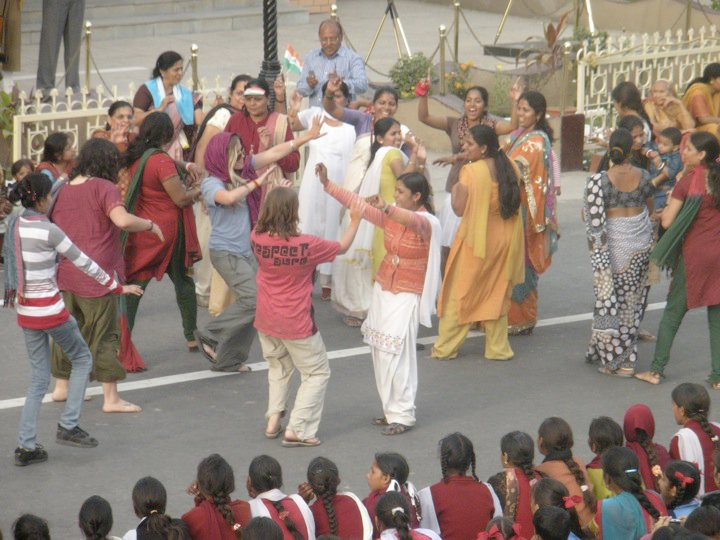
Traveling internationally is a privilege, but it has taught me more than many a classroom did. Again, that’s probably obvious. But, my greatest example was my trip to India. You may know by now that I’m a fan of equal treatment for men and women, and India is not. Does that mean I went to India and hated them for it? NO! I wore my headscarf and covered my skin and I respected their culture and I learned from it.

Contrary to what I thought going in, I learned that typical young Indian women are excited about arranged marriages. I learned that domestic abuse isn’t even a crime in India, and I occasionally saw women beaten by their husbands. I learned that saris and headscarves aren’t a means of covering up, the colors and patterns make them glamorous and coveted in women’s fashion. I learned that India is incredibly tolerant of different religions with large populations of Hindus, Muslims, Sikh, Buddhists, and Christians. I learned that Indians do vegetarian cuisine the best, but Muslim food is the bomb. I also traumatically learned the Hindus love to sacrifice baby goats to the gods, but hey are vegetarians anyway. I learned about the history of colonialism and the duplicity of help and hurt the British provided with colonialism. I quickly learned that drinkable running water is a luxury that very very few enjoy (beside the West). I also learned that entire populations of the world are persecuted for no good reason. I met refugees from Tibet and in the mountains of Thailand who had simply been born in the wrong place and the wrong time. They grew up in refugee camps with 50,000 people, no education, rations, and limited drinking water. The products of civil war, innocent humans were born in captivity and they may have to stay their entire lives just to survive. Ultimately, I learned that India is everything it is not all at the same time, kinda like America. Beyond living without running water, using squat toilets, and avoiding ice and uncooked food, I learned about a culture that was different that mine. Those stories and that knowledge changed my worldview and my perspectives forever.

A final thought, if you’ve never traveled, your opinions on international relations are invalid. Really, don’t bother to advise me on anything if you don’t have a passport.

Fourteenth: Routine Anchors Sanity

You may have heard that making your bed first thing in the morning is good for you, I think the military is really into it. I’m not really a military-influenced, Type-A person. Instead, I have ADHD. I joke that the ADHD diagnostic is the only test that I always pass. Some of you may be familiar with ADHD, but everyone tells me they think they have it, so maybe many people can relate to the lesson I learned as a result of having ADHD.

When you have ADHD, the mornings are the worst (at least for me). They have been the worst part of my day as long as I can remember. It took me a long time to figure out that the mornings were crazy because I couldn’t get a grip on pulling my life together at the beginning of everyday. It causes me a lot of anxiety and stress, not to mention being late and flustered and forgetting things. Anyone who has seen me in the morning would probably describe me this way. But…

Routine has made my mornings a practice in meditation, kinda. No, I don’t make my bed. Every morning I wake up and I spend my first 30 minutes making bulletproof coffee, pouring a gallon of brita water into my water jug (that’s my best friend) , cooking a cup of egg whites (I yolk 6 eggs every morning) and a cup of oatmeal, and packing my lunch. The moment I wake up I know exactly what I’m doing, step by step, and I have a direction. I’m a mess at first, the lights are off and things are falling and I’m jumping around the kitchen, but by the end of my 30 minute routine I have what to anticipate the rest of my day sorted out and my head together. I need that time to process before I go conquer the world and its become critical to my sanity. If I don’t get my morning routine, things are off and I’ll make more mistakes or be more anxious and stressed, none of which I can afford in a PhD program. No one has time for that.

You may say, well no one has time for 30 minutes of anything before they get out the door. Sure, it doesn’t have to be 30 whole minutes, maybe you can really just make your bed and go from there. Just remember we all have the same amount of priceless hours in the day and how we choose to spend them is up to us. For me, the practice of ‘anchoring my sanity’ is worth investing 30 minutes into a regular routine- rather than get 30 minutes of more sleep (pressing snooze three times). This is a lesson I learned after years and years of struggle and I sound so boring and so grown-up it kinda kills me a little, but it’s really really true,