
This is a topic important to me. Not only have I have spent years in and around the fitness industry working in gyms everywhere from Indiana to Santa Monica, I research Kinesiology, particularly cognitive-motor relationships across the lifespan. Of course I have learned several wordy professional and personal lessons.
Part I. Professional and personal experience confirms that exercise is medicine for the body and mind.
If there is anything I’ve learned in my graduate studies I have learned that the mind is highly involved in movement. The connection between mind and body is so profound that people that neglect body or mind are less functional as life goes on. For example, evidence shows older adults that walk slower tend to be more likely to fall and be cognitively impaired. See citations below.
Personal experience in a car accident at the age of 15 was my initial exposure to the mind-body connection I now seek scientific evidence to prove. One night in 2003 I snuck out of my house with the football players to go swimming in a local pool. Afterward, I was in the backseat of the car, without a seat belt, and the car drove off the road and into a gully about 2 miles from my house. As we flew off the road we went airborne, and so did I, hitting the roof of the car hard. As we slammed back down on the hill, I did too, and that is the moment my L3 vertebrae crushed 65%. We hit a small tree and survived, I was the only one hurt. I spent 5 days in the hospital and my friends were very supportive. I ended up in a humiliating back brace in the middle of a central Illinois summer with holes for my boobs and an extra 20 pounds on my 5’1″ frame. I was even more humiliated when I had gained so much weight I had to get my ‘boob-holes’ cut bigger. I was nicknamed ‘Xena’. I had to take my drivers license test with that damn thing on. To this day my spine remains the same as the way it crushed that day, but its healed into place.
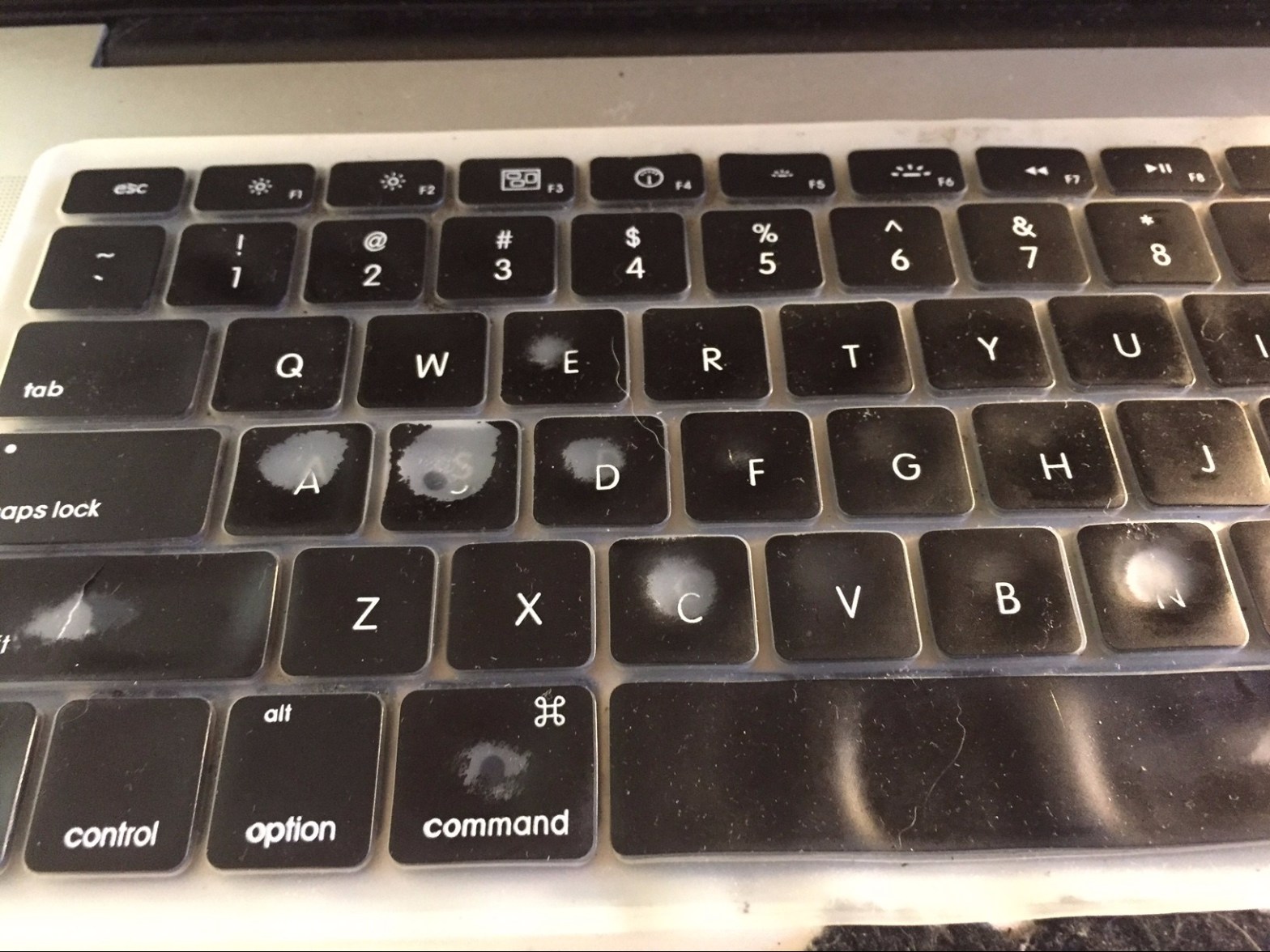
The back-break was a humbling experience, but it propelled me down the same road most teenage girls travel. Body image issues. Depression. I was out of control of my body, I wasn’t an athlete, I let myself fail PE because I was scared to exercise. I didn’t know what to eat, neither did my mom really- she was thin all her life. Suddenly I learned I had the genes of my grandparents; one side that got Type 2 diabetes and the other with mortal heart conditions. I felt destined to be chubby forever. There was too much information, I was so confused (see photo for artistic interpretation). I remember I did my senior science project on the Atkin’s diet (seriously). I knew other girls felt ashamed of what they ate, hormones changing their body and metabolisms, suffering from the lack of control over your body feels like you’ve lost control of your life. This led to some very unhealthy behavior for myself and some of my closest friends, but it also led me to start running. Running was my first experience really ‘working out’. Soon enough I had run the weight off and my back felt better.
I went to college and majored in Kinesiology, I started as a personal trainer at 19 and became passionate about helping people become functional- not get skinny. I spent years teaching older adults how to improve their balance and recover from joint replacements. I’ve trained people with MS and Huntington’s to walk without falling. I’ve even had the chance to help other people with chronic pain use exercise as medicine. The work I’ve been able to do has been so rewarding, and although I’ve retired from fitness I still enjoy helping the occasional client or coworker to this day. The accident led me to my passion and changed my path, eventually inspiring my research pursuits. Eventually I earned a masters in the same area of study and as I’ve mentioned I’m currently seeking a PhD in the same field.
Today, I work to live my truth. The battle continues but lifting weight has really helped me have a healthy relationship with my body and food. I simultaneously remind myself that having a beautiful soul is more important than a beautiful figure (more on this later), and my body and mind feel functional and healthy when I’m strong. Counting reps is meditation and a practice in self-empowerment. Its working to taking time to take care of yourself and treating your body like more than a thing that carries your head.
Part II. The fitness industry needs a revamp.
I could make this a post of its own, but I have many friends in fitness so I’ll keep this short despite my opinions. That said, be aware that the credentials of most famous fitness professionals are non-existent. Be a skeptic. Seek Science. Peer reviewed, evidence-based conclusions. Here are two great articles about nutrition I refer to) (Here is a great article to refer to about meal frequency) plus (Another good article about nutrition and weight loss). Quick-fix products that are sold to us on TV even have to say ‘results are not typical and were paired with diet and exercise’ these days. There really is no quick-fix, cannot stress that enough, but that doesn’t sell. Beware of what you’re buying into and look into how qualified the person you’re getting advice from is. Women between 35-55 are the target market for most fitness products…Also, those perfect fit-chicks on instagram are primarily really good at posing (and usually have had plastic surgery). I promise. Don’t get frustrated if your results don’t look like theirs. Keep. Going. Remember we all have the same amount of time in a day and we all make choices on how we spend it.
PSA: Cross-fit doesn’t seem to understand the force-velocity relationship. Although I respect getting people to enjoy lifting, you cant defy principles of muscle biomechanics. Just saying.
References:
Aragon, A. et al., (2017) International society of sports nutrition position stand: diets and body composition.
Schoenfield, B. et al., (2017) Effects of meal frequency on weight loss and body composition: a meta-analysis


 Tiphanie Raffegeau, PhD